In the ongoing fight against bacterial infections, antibiotics are our essential allies. Among the diverse families of these life-saving medicines, cephalosporins stand out for their broad effectiveness. Derived from the Acremonium mold, these powerful agents are categorized into five generations, each offering a distinct spectrum of coverage against various bacterial threats. The second generation of cephalosporins represents a significant leap forward, providing healthcare professionals with versatile tools to address a wider array of challenging infections.
These bactericidal antibiotics work by directly attacking and killing bacteria, rather than simply inhibiting their growth. Their ability to tackle both Gram-positive and Gram-negative bacteria makes them invaluable in clinical settings, especially when dealing with resistant strains or complex infections that demand a robust response. Understanding how they operate and what makes them unique is the first step toward appreciating their crucial role in modern medicine.
Unpacking the Potent Action of 2nd Generation Cephalosporins
At the heart of every 2nd generation cephalosporin's power lies its unique mechanism of action. These antibiotics belong to the beta-lactam class, meaning they feature a beta-lactam ring structure essential for their antibacterial activity. When administered, these rings target and bind to specific enzymes within bacteria known as penicillin-binding proteins (PBPs). These PBPs are vital for the synthesis of peptidoglycan units, the building blocks that provide strength and rigidity to the bacterial cell wall.
By inhibiting the cross-linking of these peptidoglycan units, 2nd generation cephalosporins effectively compromise the structural integrity of the bacterial cell wall. This critical weakening leads to the rapid lysis – or rupture – and subsequent death of the bacterial cell. For a deeper dive into how this process unfolds and what sets these agents apart from their predecessors, be sure to explore our comprehensive Overview & Mechanism of Action.
A Broader Shield: Understanding Their Spectrum of Coverage
Second-generation cephalosporins were developed to offer an expanded spectrum of activity compared to first-generation drugs, particularly against Gram-negative bacteria, while still maintaining some effectiveness against Gram-positive organisms. This makes them a more versatile choice for a range of infections.
Their impressive reach includes several common culprits:
Against Gram-Negative Aerobes:
- Morganella morganii
- Neisseria gonorrhoeae (specifically non-penicillinase producing strains)
- Haemophilus influenzae
- Klebsiella species
- Escherichia coli
Against Gram-Positive Aerobes:
- Streptococcus pneumoniae
- Staphylococcus aureus
- S. epidermidis
- S. pyrogenes
Furthermore, this generation also exhibits activity against various anaerobes, with a subgroup called Cephamycins offering enhanced coverage against Bacteroides species. Cefuroxime, a notable member of this generation, is particularly effective against H. influenzae. However, it's important to remember that most strains of Pseudomonas aeruginosa and Acinetobacter species typically remain resistant to 2nd generation cephalosporins.
Key Players: Identifying Specific 2nd Generation Cephalosporins
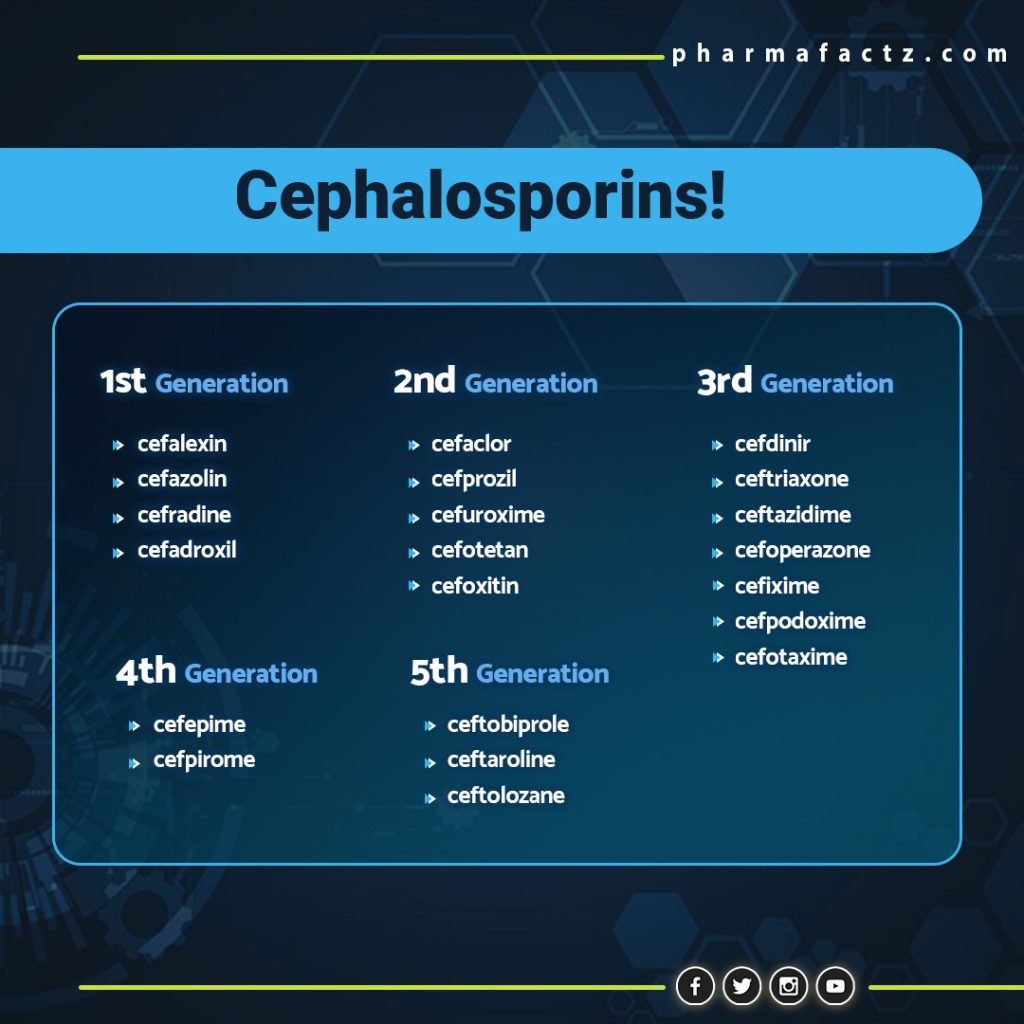
The 2nd generation cephalosporin family comprises several important medications, each with its own nuances and preferred applications. Familiar examples include:
- Cefaclor (e.g., Ceclor (DSC), Raniclor (DSC))
- Cefotetan
- Cefoxitin
- Cefprozil (e.g., Cefzil)
- Cefuroxime (e.g., Ceftin, Zinacef)
Each of these agents plays a vital role in therapeutic strategies, selected based on the specific infection, suspected pathogens, and patient factors. To gain a deeper insight into the individual characteristics, expanded spectrums, and unique applications of these powerful antibiotics, our guide on Specific 2nd Generation Cephalosporin Drugs offers valuable insights.
Diverse Applications: When 2nd Gen Cephalosporins Are Called Upon
Thanks to their broad spectrum of activity, second-generation cephalosporins are enlisted to combat a variety of bacterial infections. While they are often reserved for situations where first-line options like penicillins are unsuitable or ineffective, their utility spans multiple organ systems.
They are frequently prescribed for infections such as:
- Bone and joint infections
- Skin and soft tissue/skin structure infections
- Gynecological infections
- Intra-abdominal infections
- Lower respiratory tract infections
- Serious urinary tract infections
- Meningitis in children
- Blood infections
The decision to use a 2nd generation cephalosporin is always a carefully considered one, aiming to target the infection effectively while minimizing the development of antibiotic resistance. For a more comprehensive look at the specific conditions they treat and the clinical considerations involved, you'll find our Explore 2nd Gen Cephalosporin Uses Guide an invaluable resource. Understanding the precise circumstances under which these medications are most effective is key to optimal patient care, and it often goes hand-in-hand with knowing the correct method for their administration. To ensure effective treatment, diving into our Detailed dosing and administration guide is crucial for healthcare professionals and patients alike.
Navigating Side Effects and Important Precautions
While generally considered safe with a low toxicity profile, 2nd generation cephalosporins, like all medications, can cause side effects. Most common adverse reactions are mild and often resolve within a day or two of starting therapy. These can include stomach discomfort, abdominal pain, nausea, vomiting, decreased appetite, diarrhea, dizziness, and skin rash.
However, it's crucial to be aware of potential rare but serious side effects:
- Hypersensitivity reactions: These range from mild rashes and hives to severe swelling and, rarely, anaphylaxis.
- Hematologic issues: Drug-induced immune hemolytic disease or anemia can occur.
- Super-infections: Disruption of the gut microbiome can lead to severe diarrhea caused by Clostridium difficile.
- Neurological effects: Seizures are a rare risk, particularly in individuals with pre-existing kidney disease.
A significant warning to heed is the potential for cross-reactivity in individuals with penicillin allergies; up to 10% of these patients may also be allergic to cephalosporins. Always inform your doctor or pharmacist about any known allergies. Before making any changes to medication dosage or frequency, or if you experience concerning side effects, it's paramount to consult a healthcare professional. For a thorough understanding of all potential risks, drug interactions, and contraindications, refer to our essential guide on Adverse Effects, Contraindications, and Precautions.
Moving Forward with Informed Treatment
Second-generation cephalosporins remain a cornerstone in the management of a diverse range of bacterial infections. Their unique mechanism of action and expanded spectrum of coverage provide essential options for clinicians treating complex conditions. As we continue to face evolving bacterial threats, the judicious and informed use of these powerful antibiotics is more critical than ever. By leveraging the comprehensive resources available, healthcare providers and patients can make the best decisions to ensure effective treatment and safeguard public health.