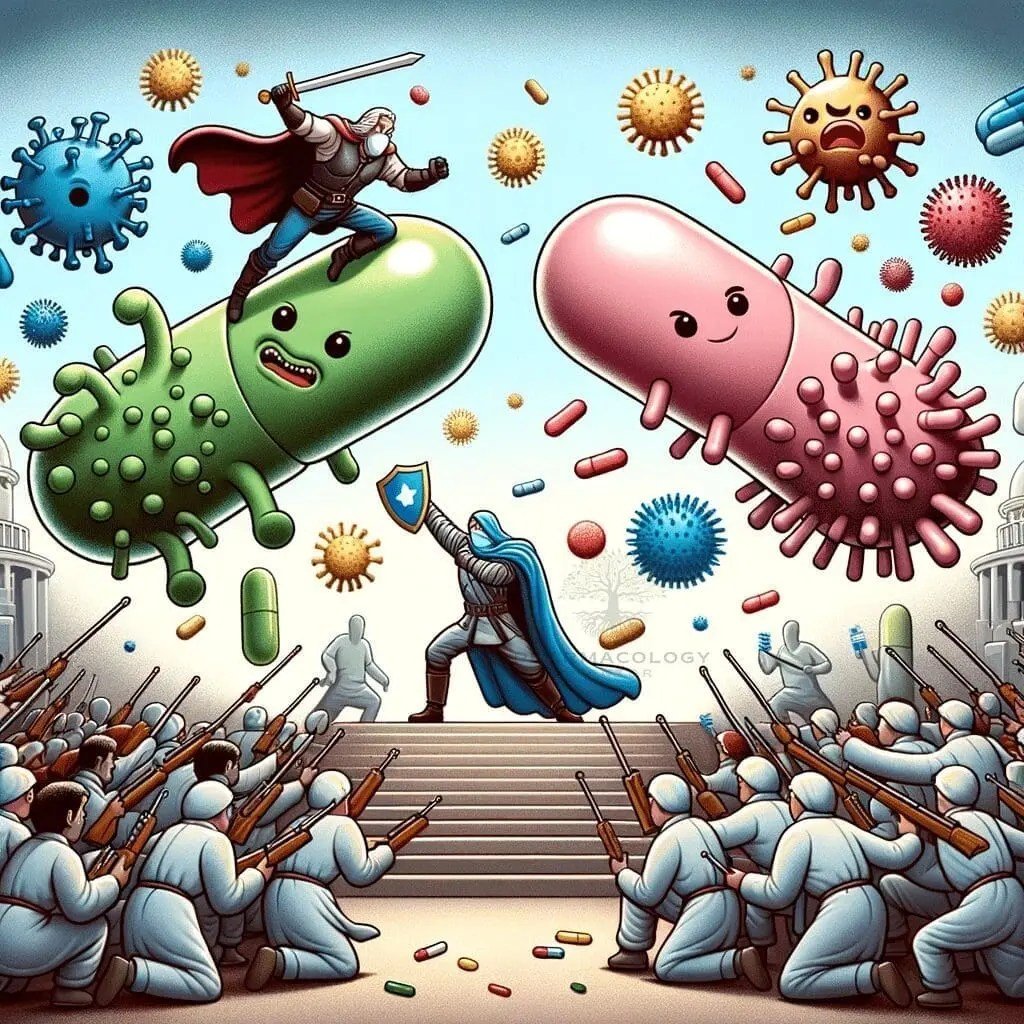
The urgent reality of Drug Interactions and Antimicrobial Resistance is no longer a distant medical abstract; it's a present global health crisis demanding our immediate attention. Imagine a world where a simple cut could be fatal, or routine surgery carries life-threatening risks due to untreatable infections. This isn't science fiction; it's the future we risk if we don't understand and proactively address the intertwined threats of drug resistance and how medications interact within our bodies.
Antimicrobial resistance (AR) occurs when germs—bacteria, fungi, and other microbes—evolve to defeat the very drugs designed to kill them. When these resistant germs encounter treatment regimens complicated by drug interactions, the challenge becomes exponentially more formidable, leading to infections that are difficult, if not impossible, to treat.
At a Glance: What You Need to Know
- A Silent Pandemic: Antimicrobial Resistance (AR) already kills at least 1.27 million people worldwide annually and is linked to nearly 5 million deaths.
- The U.S. Impact: Over 2.8 million resistant infections occur yearly in the U.S., causing more than 35,000 deaths. Including Clostridioides difficile, these numbers jump to over 3 million infections and 48,000 deaths.
- Modern Medicine at Risk: Effective antimicrobials are the bedrock of modern medicine. Without them, advancements like organ transplants, cancer therapies, and even basic surgeries become incredibly dangerous.
- Germs Fight Back: Microbes have sophisticated defense strategies, from blocking drug entry to actively pumping them out or destroying them entirely.
- Interactions Intensify the Threat: Drug interactions can reduce antimicrobial effectiveness, increase toxicity, or alter metabolism, making resistant infections even harder to manage.
- Your Role is Crucial: Preventing infections, using antimicrobials wisely, and understanding your medications are vital steps in combating this threat.
The Looming Shadow: Understanding Antimicrobial Resistance
Antimicrobial resistance is a naturally occurring evolutionary process. Germs, including bacteria and fungi, are constantly adapting. When exposed to antibiotics (which fight bacterial infections) or antifungals (which treat fungal infections), the weaker, susceptible germs die off. However, the stronger, more resilient ones survive, multiply, and can even share their resistance traits with other microbes. This creates selective pressure, essentially forcing germs to "level up" their defenses. While sometimes "antibiotic" and "antimicrobial" are used interchangeably, it's important to remember antimicrobials encompass a broader range, including antifungals.
The scale of this problem is staggering. In 2019 alone, AR directly caused at least 1.27 million deaths globally and was associated with nearly 5 million fatalities. In the United States, we face more than 2.8 million antimicrobial-resistant infections each year, leading to over 35,000 deaths. When we factor in Clostridioides difficile, a bacterium causing deadly diarrhea and colon inflammation, the U.S. toll climbs to over 3 million infections and 48,000 deaths.
This isn't just about mortality; it's about prolonged suffering, increased healthcare costs, and a rollback of medical progress. Even resistance to a single drug can necessitate switching to more expensive, potentially toxic second- and third-line treatments. This often translates to longer hospital stays, extended recovery periods, and a heavier burden on patients and healthcare systems. Think about it: joint replacements, organ transplants, cancer therapies, and chronic disease management all hinge on our ability to prevent and treat infections effectively. Without reliable antimicrobials, common infections could once again become untreatable killers.
The Battle Within: How Germs Fight Back
So, how do these tiny microbes become so formidable? They've developed ingenious defense mechanisms, honed over millennia, to survive our best medical interventions. Understanding these strategies is crucial to developing new countermeasures.
Here's how germs commonly resist our drugs:
- Restrict Access: Imagine a fortress with tightly guarded gates. Some germs modify their outer membranes or cell walls to prevent antimicrobials from even getting inside. Gram-negative bacteria, for instance, are notoriously difficult to treat because their outer membrane acts as a formidable barrier.
- Get Rid of the Drug: Once an antimicrobial slips past the outer defenses, some germs have internal "pump" systems that actively eject the drug back out of the cell before it can do damage. A prime example is Pseudomonas aeruginosa, which can pump out fluoroquinolones, or various Candida species that remove azole antifungals.
- Change or Destroy the Drug: This is like a chemical warfare agent being neutralized on contact. Germs can produce enzymes that chemically alter or outright break down the antimicrobial drug. A notorious example is Klebsiella pneumoniae producing carbapenemases, enzymes that dismantle carbapenem antibiotics—a last-resort class of drugs.
- Change the Targets: Antimicrobials work by binding to specific parts of a germ's cellular machinery, disrupting its function. Resistant germs can alter these target sites so the drug can no longer bind effectively. Escherichia coli can modify its cell wall to resist colistin, and Aspergillus fumigatus can change its cyp1A gene to resist triazole antifungals.
- Bypass the Effects: Some germs develop entirely new metabolic pathways or processes that circumvent the step that the drug is designed to inhibit. This allows them to continue functioning even when the drug is present. Staphylococcus aureus, for example, can bypass the effects of trimethoprim.
Beyond Resistance: The Critical Role of Drug Interactions
While antimicrobial resistance is a monumental challenge on its own, its complexity is amplified significantly by drug interactions. A drug interaction occurs when two or more drugs (or even food, supplements, or substances) taken together affect how one or more of them work. When this involves antimicrobials, the consequences can be dire, especially in the context of already resistant infections.
Think of drug interactions as an additional layer of fog and turbulence over an already difficult battlefield. They can manifest in several critical ways:
- Reduced Antimicrobial Efficacy: This is perhaps the most dangerous interaction in the context of AR. Another medication might:
- Accelerate Metabolism: Speed up the breakdown of the antimicrobial in your body, meaning there isn't enough active drug to kill the infection. For instance, certain seizure medications or herbal supplements like St. John's Wort can induce liver enzymes that rapidly clear many antibiotics.
- Inhibit Absorption: Prevent the antimicrobial from being properly absorbed into your bloodstream. Antacids, for example, can bind to certain antibiotics (like tetracyclines or fluoroquinolones), making them ineffective.
- Antagonize Action: Directly counteract the antimicrobial's mechanism of action. While less common, some drug combinations can directly inhibit each other's germ-killing ability.
In these scenarios, even a susceptible germ might not be fully eradicated because the antimicrobial isn't present at effective concentrations, or its action is blunted. This failure to clear the infection then provides more opportunity for the remaining germs to develop further resistance. - Increased Toxicity: Conversely, an interaction can also prevent the body from breaking down or eliminating an antimicrobial effectively, leading to dangerously high levels of the drug. This can cause severe side effects, forcing doctors to discontinue treatment even if the drug is working. For example, some antifungals can inhibit the metabolism of other drugs, leading to toxic accumulation. This leaves fewer safe treatment options for patients, especially those battling multi-drug resistant infections where choices are already limited.
- Masking Symptoms: Some drug interactions can mask the symptoms of an infection or its progression, delaying diagnosis or making it harder to assess treatment effectiveness. This gives resistant germs more time to establish themselves and proliferate.
The implications of these interactions are profound, particularly for patients with multiple health conditions (a common scenario, especially among the elderly) who are often on several medications simultaneously – a situation known as polypharmacy. Every additional drug introduces another potential variable, another opportunity for an interaction that could compromise an antimicrobial's effectiveness.
Navigating the Maze: When Interactions and Resistance Collide
Given the complexity, how do we protect ourselves and ensure effective treatment? It requires diligence from both healthcare providers and patients.
For Healthcare Providers: A Multi-faceted Approach
Providers are on the front lines of this battle. Their responsibilities include:
- Thorough Medication Reconciliation: Always obtain a complete list of all medications, including over-the-counter drugs, supplements, and herbal remedies. It's not enough to ask about prescriptions; seemingly innocuous supplements can have significant interactions.
- Considering the Full Patient Picture: Factors like kidney or liver function, age, and existing comorbidities profoundly affect how drugs are metabolized and excreted. These must be weighed when prescribing antimicrobials.
- Utilizing Drug Interaction Checkers: Electronic health records often have built-in systems, but independent verification is always prudent, especially for complex cases.
- Therapeutic Drug Monitoring (TDM): For certain critical antimicrobials, TDM can measure drug levels in a patient's blood. This helps ensure the drug is present in an effective, yet non-toxic, concentration, especially when interactions are suspected or resistance is high.
- Choosing Wisely: Selecting the right antimicrobial requires knowledge of local resistance patterns and the patient's full drug profile. Understanding different classes of antibiotics, like when to consider 2nd generation cephalosporins, is part of making informed choices to balance efficacy with minimizing resistance development.
- Education: Continually educating patients about the importance of adherence, potential side effects, and the risks of sharing or misusing antibiotics is paramount.
For Patients: Your Role in Protection
You are a critical partner in this fight. Your active participation can significantly impact treatment outcomes and the broader effort against AR.
- Be Transparent with Your Healthcare Providers: Always provide a complete and accurate list of all medications you're taking—prescription, over-the-counter, herbal remedies, and supplements—to every doctor, pharmacist, or veterinarian. Don't assume something is unimportant.
- Understand Your Medications: Ask questions! What is this drug for? How should I take it? What are the potential side effects? What should I avoid while taking it (foods, other drugs)?
- Report Persistent Diarrhea: If you develop persistent diarrhea (three or more episodes in 24 hours) while taking an antimicrobial, report it to your healthcare provider immediately. This could be a sign of Clostridioides difficile infection.
- Inform About Travel & Medical History: Antimicrobial resistance is a global issue. If you've recently traveled internationally or received medical care in other countries, tell your healthcare provider. Resistant germs can spread easily across borders.
- Adhere Strictly to Prescriptions: Finish the entire course of antibiotics or antifungals, even if you feel better. Stopping early can leave behind stronger, resistant germs. Do not share your medications or use old prescriptions.
- Never Self-Medicate: Do not use antibiotics or antifungals for viral infections like colds or the flu, as they are ineffective and only contribute to resistance.
Turning the Tide: Collective Action Against AR & Interactions
The good news is that we are not powerless. Addressing antimicrobial resistance and drug interactions requires a multi-pronged approach involving individuals, healthcare systems, and global cooperation.
1. Prevent Infections: The First Line of Defense
An infection avoided is an antimicrobial saved. Simple, consistent actions make a huge difference:
- Practice Good Hygiene: Regular handwashing, especially before eating and after using the restroom, is incredibly effective.
- Get Vaccinated: Vaccinations prevent infections, reducing the need for antimicrobials. This includes flu shots, childhood immunizations, and recommended adult vaccines.
- Safe Food Handling: Cook food to proper temperatures, avoid cross-contamination, and wash produce thoroughly.
- Stay Home When Sick: Prevent the spread of germs to others.
2. Improve Antimicrobial Use: A Guiding Principle
This is often called "antimicrobial stewardship" and it's about using these vital drugs judiciously.
- Only When Necessary: Antimicrobials should only be prescribed when a bacterial or fungal infection is strongly suspected or confirmed. They are useless against viruses.
- The Right Drug, Right Dose, Right Duration: Providers should choose the narrowest-spectrum antimicrobial (one that targets specific germs rather than a wide range) at the correct dose for the appropriate duration.
- Rapid Diagnostics: Utilizing rapid diagnostic tests can help identify the exact pathogen and its susceptibility sooner, leading to more targeted and effective treatment.
3. Stop the Spread: Containment is Key
Even with the best prevention and use, resistant germs will emerge. Containing their spread is vital.
- Infection Control: Strict infection control practices in hospitals, clinics, and long-term care facilities are paramount. This includes proper sanitation, isolation protocols, and personal protective equipment.
- Environmental Hygiene: Maintaining clean environments in healthcare settings and homes helps reduce germ transmission.
- Surveillance: Monitoring resistance patterns at local, national, and global levels helps track threats and inform public health responses.
Your Questions Answered: Common Myths & Facts
Let's clear up some common misunderstandings about drug interactions and antimicrobial resistance.
Q: Are all antibiotics the same? If one doesn't work, can I just try another one?
A: No, absolutely not. Antibiotics are very diverse, belonging to different classes that work in unique ways against specific types of bacteria. If one antibiotic doesn't work, it might be due to resistance, or it might simply not be the right drug for your particular infection. Switching without proper diagnosis and guidance from a healthcare professional is dangerous and contributes to resistance.
Q: If I feel better after a few days, can I stop taking my antibiotic early?
A: This is a critical misconception. No, you should always finish the entire course of antibiotics as prescribed, even if your symptoms improve. Stopping early means you might not have killed off all the bacteria, especially the stronger ones. These surviving bacteria are more likely to be resistant and can then multiply, leading to a recurrence of the infection that is harder to treat.
Q: Can I use leftover antibiotics from a previous illness or give them to a friend?
A: Never. Self-medicating with leftover antibiotics or sharing them is a major driver of resistance. The antibiotic might be inappropriate for the current illness, the dosage incorrect, or the recipient might have allergies or drug interactions. This misuse only provides opportunities for germs to develop resistance without actually treating the problem.
Q: My doctor said I have a virus, but I still want an antibiotic just in case. Why won't they prescribe one?
A: Your doctor is following best practices. Antibiotics are completely ineffective against viral infections (like the common cold, flu, or most sore throats). Taking them unnecessarily for a virus doesn't help you get better and actively contributes to the development of antimicrobial resistance by exposing bacteria in your body to the drug, allowing them to adapt and become resistant.
Q: What if I'm allergic to many common antibiotics? Does that make resistance worse for me?
A: Yes, it can create significant challenges. If you have allergies to several common antibiotics, your treatment options for bacterial infections become more limited. This forces doctors to use alternative drugs that might be broader-spectrum, more toxic, or contribute more easily to resistance. It underscores the importance of proper allergy testing and careful drug selection by your provider, especially when resistance is a concern.
A Call to Action: Protecting Our Future
The fight against drug interactions and antimicrobial resistance is a marathon, not a sprint. It demands ongoing vigilance, innovation, and a collective commitment. From the individual choice to wash your hands, to the global collaboration on new drug development, every action counts.
We've explored the devastating impact of AR, the clever strategies germs use to survive, and how drug interactions further complicate this already complex challenge. The path forward is clear: we must prevent infections, use antimicrobials wisely, and stop the spread of resistant germs. By understanding your role and actively participating in these efforts, you become a vital part of safeguarding not only your health but the future of modern medicine for everyone.